Norfolk, with its diverse habitats ranging from sprawling marshes to pristine coastlines, is a haven for birdwatchers during the winter months. As temperatures drop and seasonal migrations conclude, the region becomes home to an array of overwintering bird species. These visitors and residents alike offer a spectacular display of avian diversity, making Norfolk a must-visit destination for enthusiasts and casual observers alike.
Why Norfolk?
The county’s unique geography and mild climate create an ideal environment for birds escaping harsher northern conditions. Wetlands like the Norfolk Broads and reserves such as RSPB Titchwell Marsh and Holkham National Nature Reserve provide essential food sources and shelter, supporting large populations of birds throughout the winter.
Star Winter Visitors
- Pink-footed Geese
- Why they’re special: Norfolk is a crucial wintering ground for pink-footed geese. Thousands of these Arctic breeders arrive from Iceland and Greenland, creating breathtaking spectacles during their roosting and feeding flights.
- Where to spot them: Look for them in The Wash area and farmlands around Holkham and Cley.
- Whooper and Bewick’s Swans
- Why they’re special: These elegant swans migrate from Siberia and Iceland. Their haunting calls and graceful movements are a highlight of the season.
- Where to spot them: The WWT Welney Reserve is the prime location to observe these species in action.
- Waders
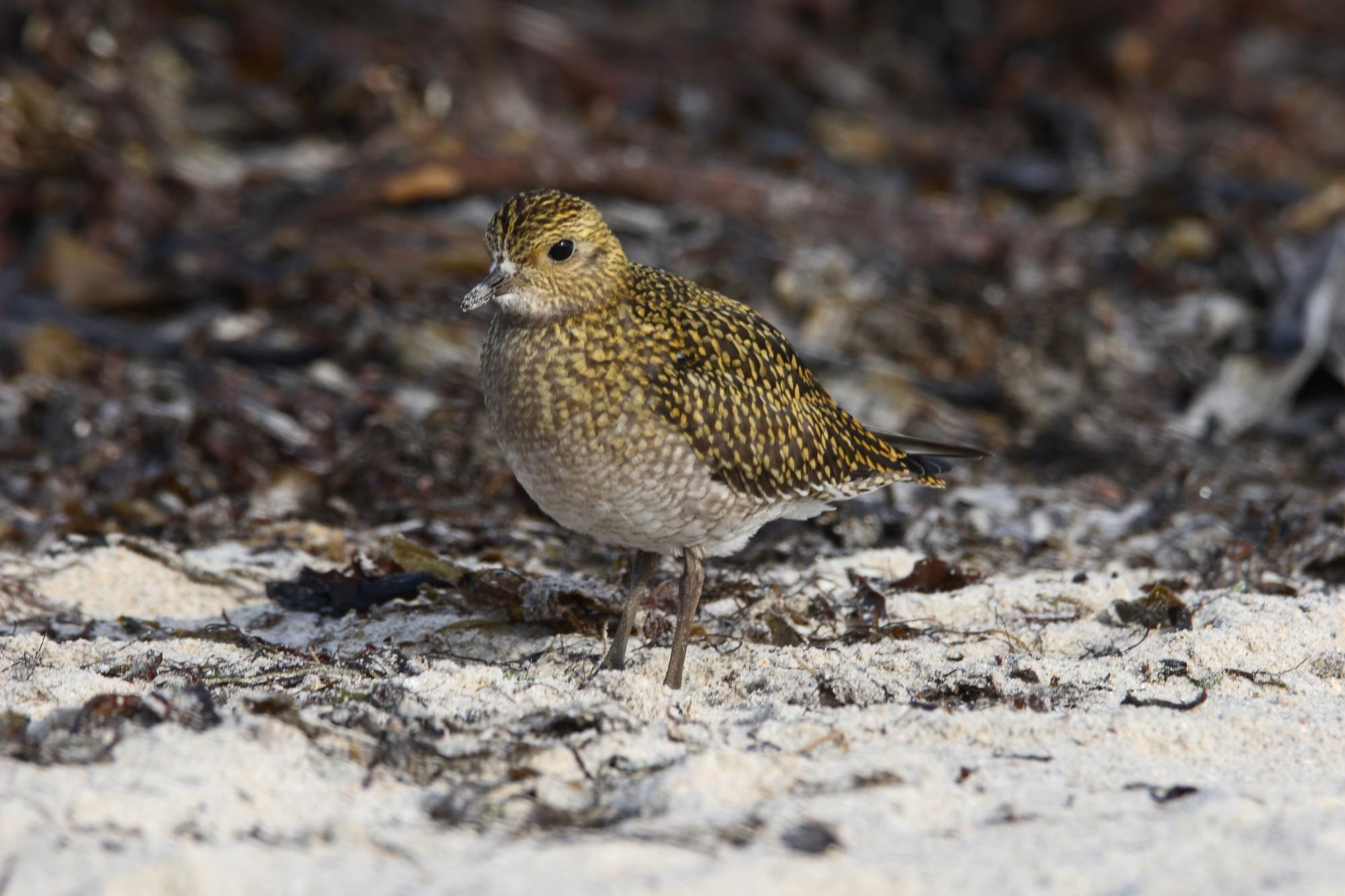
- Key species: Knot, dunlin, golden plover, and oystercatchers.
- Why they’re special: Norfolk’s mudflats teem with life, drawing in large flocks of waders that put on dazzling aerial displays.
- Where to spot them: Visit the Snettisham RSPB Reserve for one of the most dramatic wader spectacles in Europe.
- Short-eared Owls
- Why they’re special: These striking owls, with their piercing yellow eyes and silent flight, are a favorite among birdwatchers.
- Where to spot them: Coastal marshes and grasslands, particularly around Cley and Stiffkey.
- Harriers
- Key species: Marsh harrier and hen harrier.
- Why they’re special: These raptors glide gracefully over the marshes, hunting for prey. Their evening roost gatherings are mesmerizing.
- Where to spot them: Watch them at Titchwell Marsh or Hickling Broad.
Resident Birds That Shine in Winter
While many species migrate, some resident birds remain in Norfolk year-round, becoming even more noticeable in the winter months:
- Kingfisher: Often seen darting over slow-moving rivers or perched along the Broads.
- Bearded Tit: A charming reedbed specialist, best spotted at Strumpshaw Fen.
- Barn Owl: Ghostly figures that hunt over open fields at dusk, a quintessential Norfolk sight.
Tips for Winter Birdwatching in Norfolk
- Timing Matters: Dawn and dusk are prime times to witness large roosting flocks and hunting activity.
- Gear Up: Bring binoculars or a spotting scope, dress warmly, and wear waterproof footwear for marshy areas.
- Respect Nature: Stick to designated paths and minimize disturbances to the wildlife.
Conclusion
Norfolk’s winter birdlife is a testament to the region’s ecological importance and beauty. Whether you’re captivated by the sight of thousands of pink-footed geese taking flight or the silent glide of a hunting barn owl, Norfolk offers unforgettable experiences for bird lovers. So, grab your binoculars and head out this winter to immerse yourself in one of the UK’s most spectacular natural wonders.
Ideally located, with easy access to The Broads, the coast and Norwich – Zen Harmony holiday bungalow in Reepham features comfy beds, central heating and is walking distance from two country pubs. Above all in these chilly winter months it is a cozy home-from-home and makes an ideal base for bird watching in Norfolk. Book today with cottages.com.